Hearing loss has a number of different causes, from aging to genetic conditions to noise exposure. Determining the cause is an important step in finding the right treatment.
Close to 40 million American adults have hearing loss, making it one of the most common health concerns people face, according to the NIH.
Most cases of hearing loss are caused by noise exposure and aging. But a number of other conditions are linked to hearing loss, too. In some cases, no cause can be found.
Top causes of hearing loss
Aging
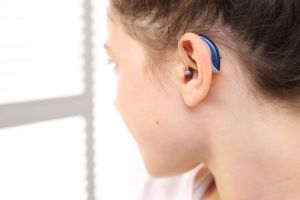
The most common type of hearing loss is known as age-related hearing loss, or presbycusis. This means the gradual loss of hearing that occurs over time. As with other body changes related to aging, hearing loss is a normal—but treatable—part of aging. As we get older, the tiny hearing cells in our inner ear stop working as well. This type of loss is permanent, meaning it can't be reversed or cured. However, it can be treated quite effectively with hearing aids.
Noise exposure
Noise-induced hearing loss is caused by exposure to loud noise, usually anything above about 85 decibels. This can happen in several ways:
A sudden exposure to an extremely loud sound, such as a gunblast or explosion
Frequent exposure to noisy environments, such as concerts or traffic
A combination of both
Loud noise damages inner ear hair cells, causing hearing loss over time. It is permanent. But it is also preventable. You can significantly lower your risk of hearing loss by limiting exposure to loud noises, using earplugs in noisy environments, and using your headphones wisely. The best treatment is usually hearing aids.
Inherited hearing loss
Hearing loss in children is often genetic.
Some types of hearing loss are inherited, meaning they are passed down by a parent via genetics.
More than 400 genetic and rare syndromes can cause hearing loss. It's likely more will be identified as genetic testing becomes even more sophisticated.
Sometimes the hearing loss is mild and only hearing aids will be needed. For more severe hearing loss, cochlear implants and/or learning American Sign Language are recommended.
Inherited hearing loss may be noticeable at birth, which is why newborn hearing screening is important. But it also can develop later.
Illness-related hearing loss
Numerous illnesses and conditions can cause or contribute to hearing loss. Some of the top culprits are:
Meniere’s disease: Symptoms usually include fluctuating hearing loss, vertigo, and tinnitus.
Otosclerosis: This disease affects the tiny bones in the middle ear.
Drug that cause hearing loss
Numerous drugs and medications are linked to hearing loss, known as ototoxic drugs. These include:
aminoglycoside antibiotics
some diuretics
some NSAIDs, especially high doses of aspirin
chemotherapy drugs, especially Cisplatin
It usually takes large or prolonged doses of these drugs to notice effects of hearing loss. Research is still being conducted to further understand the effects of specific dosages and medications.
Head trauma can damage inner ear structures causing a temporary or permanent hearing loss.
Acoustic neuromas are small tumors in the ear anatomy. They are usually benign (they don't spread).
Less common causes and risk factors
Risk factors for hearing loss extend beyond
exposure to loud noises or getting older.
Many lifestyle choices impact hearing health.
Most causes of hearing loss are obvious, such as aging or excessive noise exposure. But there are other less common causes, including:
Sleep apnea
Several studies published in the last few years have strongly linked sleep apnea to hearing loss. Medical professionals aren’t entirely sure why those with sleep apnea are more prone to hearing loss, but they believe it’s because the condition reduces blood supply to the inner ear, an intricate system which depends on oxygen to properly process sound. It's also possible that years of loud snoring could damage hearing.
Excessive drinking
Heavy drinking damages the central auditory cortex, increasing the amount of time it takes your brain to process sound, studies show. Excessive drinking among young adults also can lead to problems processing lower frequency sound. Even one overindulgent night can create balance problems: That’s because alcohol is absorbed into the fluid of the inner ear, which monitors balance, even after it is no longer present in the blood and brain.
Iron deficiency
Iron-deficient anemia (IDA) is strongly linked to hearing loss. People with IDA were twice as likely to have hearing loss than those without the blood disorder. If you have this kind of anemia, be sure to get your hearing checked, especially if you're older than 60.
Mumps
This common childhood disease is known for causing painful swelling of the salivary glands on both sides of the face but in extreme cases, the mumps can also cause swelling of the membranes that surround the brain and hearing loss. How does mumps affect your hearing? Medical professionals suspect the highly contagious viral disease damages the cochlea, located inside your ear.
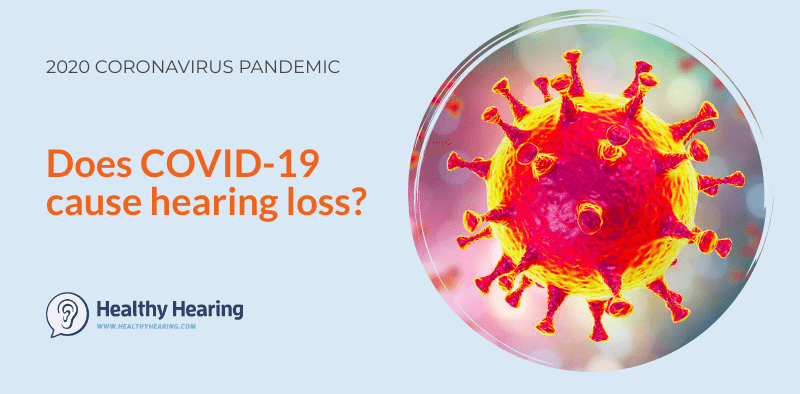
While the coronavirus is far more likely to cause breathing problems, it can occasionally infect the auditory system, studies show, leading to temporary hearing loss and tinnitus from COVID.
Take the next step: Get a hearing test
Hearing healthcare professionals are trained to use many diagnostic tests to help get to the bottom of your concerns. Once they determine the cause, they can find the best course of treatment. A hearing test is painless and non-invasive.
If you have hearing loss and are unsure of the cause, visit a qualified clinic near you from our consumer-reviewed directory of hearing aid clinics.
Joy Victory, managing editor, Healthy Hearing
Joy Victory has extensive experience editing consumer health information. Her training in particular has focused on how to best communicate evidence-based medical guidelines and clinical trial results to the public. She strives to make health content accurate, accessible and engaging to the public.
Read more about Joy.




.jpg)

 Joy Victory has extensive experience editing consumer health information. Her training in particular has focused on how to best communicate evidence-based medical guidelines and clinical trial results to the public. She strives to make health content accurate, accessible and engaging to the public.