
www.HealthyHearing.com |
Finding the right earplugs for youAffordable earplugs can be bought at the store, but custom earplugs give the best fitKey points:
“The world is very noisy,” says audiologist Susan Terry, founder of Broadwater Hearing Care in St. Petersburg, Florida. And it’s not only the shrill of sirens and the clatter of restaurants: Our hobbies, from skeet shooting to concert-going, along with our jobs, can be a source of loud sounds that can damage our ears and even lead to hearing loss. Protecting your hearing doesn’t mean giving up the activities you love. With the right earplugs and proper fit, you can lower your risk of hearing loss while staying engaged in your favorite activities. Why use earplugs?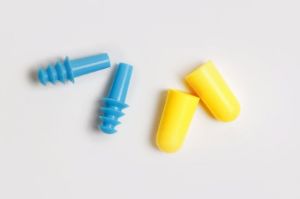
affordable ways to protect your hearing. Loud noise exposure is one of the leading causes of hearing loss. Sounds that are louder than about 70 decibels—for example, nearby sirens, gas-powered leaf blowers, or a motorcycle engine—can damage your ears and lead to noise-induced hearing loss and tinnitus. Earplugs help protect your ears, and are one of the most useful ways to prevent hearing problems. Wearing earplugs or earmuffs is effective, reducing noise by about 15 to 30 decibels if worn correctly, according to the University of Rochester Medical Center. “Earplugs basically are a device that is inserted in the ear to mitigate the sound that reaches the cochlea, the inner ear, to prevent hearing loss,” Terry says. If you participate in loud hobbies, such as hunting or shooting, or riding motorcycles or going to concerts you should use earplugs to keep your ears safe. Read more: How loud is too loud Hearing protection at workIf you work in a loud environment (think: construction or industrial settings), your employer will likely mandate that you wear hearing protection, Terry says. This could be earplugs, or it might be earmuffs, which fit over your outer ear, forming a tight seal, according to Creighton University. For really loud environments, you may want to wear both earplugs and earmuffs. What type of earplugs should you use?When it comes to types of earplugs, most people are familiar with the disposable versions, made from brightly colored foam or silicone and plastic, from the drugstore. However custom options are also available. What's best for you depends on a variety of things such as how much sound reduction you need, how often you'll use them, price and personal comfort. Foam earplugsThe most readily accessible and cheapest earplugs can be purchased in drugstores, hardware stores and sporting goods stores. These disposable options are generally made from foam. “You just roll them down, stick them in your ear, and they expand out to prevent hearing loss,” Terry explains. Disposable earplugs are available in a variety of sizes, shapes, and attenuation levels, Terry says. (Attenuation means how much they dampen sound.) The deeper you insert them, the more they'll muffle sound.
Reusable earplugsPre-molded reusable options, made from sturdier materials, such as plastic or silicone, are also available. Some of these types of earplugs have filters in them that reduce the muffling sound that foam earplugs create, an appealing option for people who like to go to live music shows. Custom-fit earplugs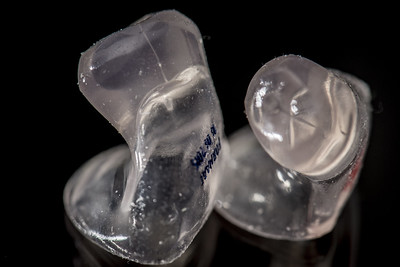
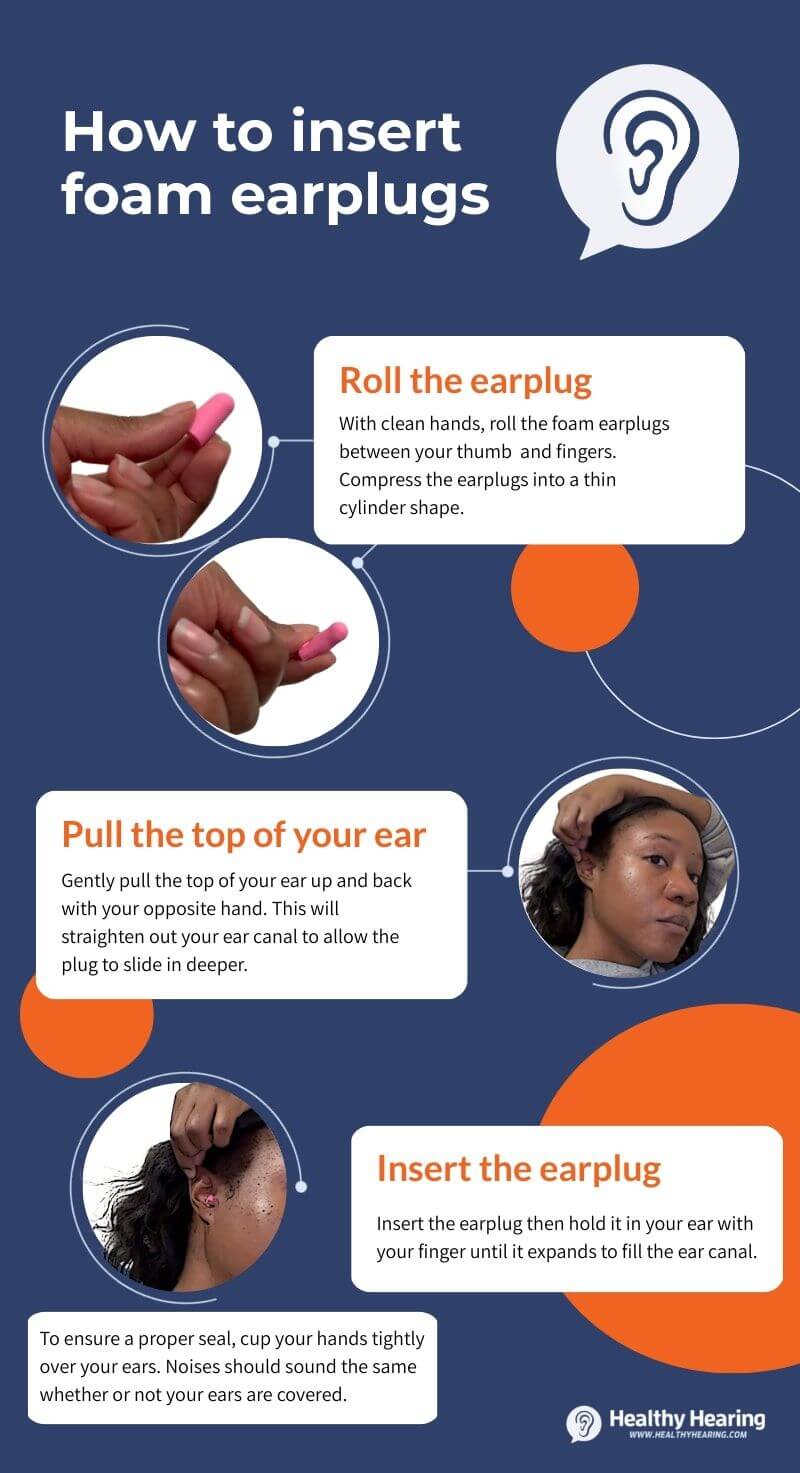
and provide excellent protection against noise. Photo courtesy of Angelbattle bros/Flickr. Disposable earplugs are a relatively unsubtle option, and sometimes people struggle with finding a comfortable fit. If your work environment, everyday activities, or hobbies expose you to frequent noises, you may want to invest in custom earplugs. “There are [features] available as a custom product that we don't have for a disposable earplug,” Terry says. Dentistry and other noisy office jobsCustom earplugs can be designed specifically for your hearing situation: For instance, Terry fitted a dental hygienist—who spends her days in the presence of high-pitched dental drills—with custom earplugs that block out the hum of dental tools but still let her hear patients. People who use guns frequently can wear custom earplugs that block the loud gun noises, but still allow them to hear their surroundings. Musicians can opt for custom earplugs that preserve audio fidelity of the full dynamic range of sound. “A custom plug is generally made from an ear impression that is taken by an audiologist and then sent to the lab to be made,” Terry says. Custom earplugs can be more comfortable—since they fit your ear precisely, the pressurized feeling that accompanies over-the-counter options is lessened. Most hearing clinics can fit you with custom earplugs. They usually cost about $100, unless you have special needs, in which case they may cost more. Disposable ones, in contrast, can be as cheap as a dollar, Terry says. How to choose earplugsIf you’re only occasionally or situationally exposed to loud noises, the everyday disposable options from the drugstore are likely the right option. “For most everybody with their daily noise exposure, a pair of foam plugs are a great place to start,” she says. Consider custom ones if you have a noisy hobby or job, Terry suggests. Here’s one way to think of it: If you’re attending a concert every few months, think about carrying disposable earplugs in your pocket. Why do earplugs hurt my ears?If inserted correctly (see graphic above), earplugs shouldn't cause you any pain. If they do, you may be pushing them in too far or they might be too large for your ears. Additionally, people who wear earplugs for longer periods of time (such as when sleeping) or those with sensitive ear canals may be more likely to experience discomfort. If you find that earplugs are hurting your ears there are several things you can try, including:
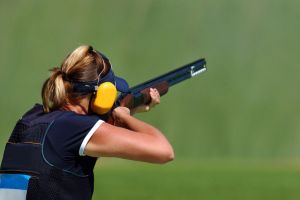
and earmuffs. Understanding noise reduction ratingsWhen you’re choosing earplugs, check the packaging for the noise reduction rating (NRR). The higher the NRR number is, the more noise will be reduced, Terry explains. Choose according to your situation: If you’re going to be doing yard work with a loud lawn mower, you’ll want a higher NRR than if you’re trying to reduce restaurant noise (but still want to be able to hear your dining partners). The noise reduction rating is usually around 30 decibels, meaning they reduce sounds by that amount. If you're getting custom-fit hearing plugs, your hearing care provider can tell you what the NRR is. Do people with hearing loss need to use earplugs?Yes, people with hearing loss should absolutely should still wear earplugs (or earmuffs) in noisy environments to protect residual hearing. Talk to your hearing care provider about how to balance your need to wearing hearings aids with the need to protect your hearing, if, for example, you work in construction or a hairstylist. Should kids use earplugs?Fitting small ears with earplugs can be challenging, Terry notes. It can be easier to use over-the-ear muffs that are sized for small children—these are perfect for when you take children to concerts or sporting events. They work well, and they’re inexpensive, she says. Still unsure what's right for you? Ask a hearing providerNot sure what makes sense to you? Reach out to your audiologist, Terry suggests. “I don’t know of any audiologist who wouldn’t be happy to talk to someone over the phone for a minute or two to guide them in the right direction.” Are you currently looking for a hearing provider? Check out our directory to find a provider near you. Madeleine Burry
|
Hearing centers close to me:
| Ohio State Univ Hearing |
| Nationwide Childrens Hospital |
| Ohio State University Audiology Clinic |
| Columbus Speech & Hearing Center |
Find hearing clinics in my country:


 Madeleine Burry is a Brooklyn-based freelance writer and editor. She's written about health for several online publications, including Women's Health, Prevention, Health, Livestrong and Good Housekeeping. You can follow her on Twitter @lovelanewest.